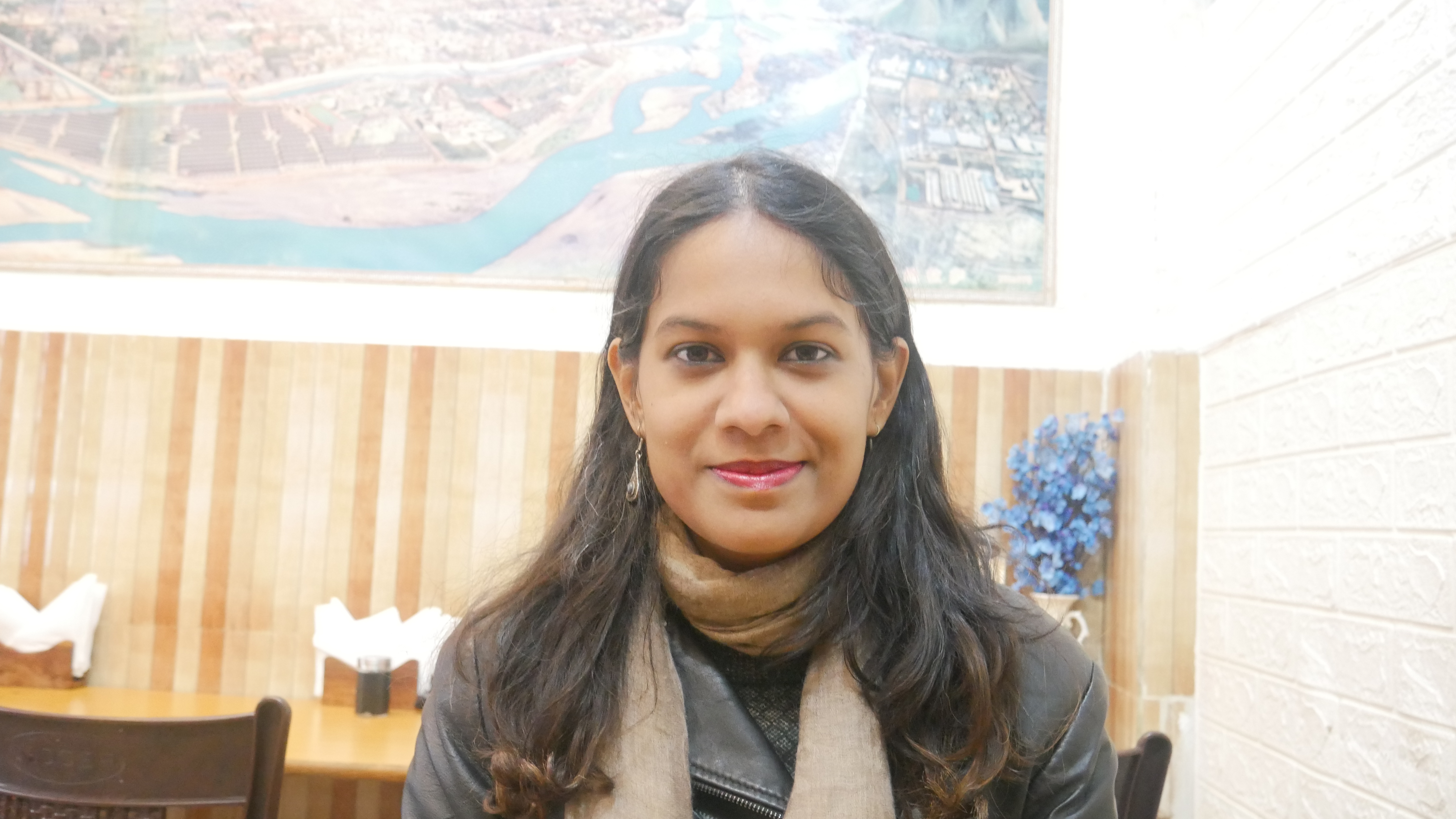
alishabarretto
BUILD_LOG.TXT — active / current work
Building FlowPlanned, a local-first planner for Windows. Local agents, no cloud, no account, no telemetry.
FlowPlanned, 2025 to now
A digital planner that behaves like a paper notebook. Everything stays on your machine, including the AI. Built because every planner I tried wanted an account before it would let me write a single line. The real reason it exists is simpler: I was traveling with a paper planner in one bag and a phone full of half-used apps in the other, and neither one talked to the other. I vibe-coded the whole thing myself, piece by piece, until it stopped feeling like a compromise.
[ ATT: READ MORE: FlowPlanned ]
A digital planner that behaves like a paper notebook.
The idea came from traveling. I was carrying a paper planner in one bag and a phone full of half-used productivity apps in the other. The paper one was nice to use, but it couldn’t search, sync or remember anything. The apps could, but somehow I never wanted to use them.
So I was travelling with two planning systems that refused to speak to each other.
Naturally, I decided to build a third one.
FlowPlanned is a digital planner designed to feel like a paper notebook, with everything kept on your machine, including the AI.
I vibe-coded the whole thing myself, piece by piece, mostly figuring things out as I went.
Then I discovered that planners are apparently a much bigger world than I had realised. There is a huge community around them, especially women who have turned planning into its own little culture of notebooks, layouts, stickers, routines, systems and very serious opinions about paper.
The market is big. The community is even bigger.
Which made me realise I might have accidentally wandered into an entire industry while just trying to stop carrying two planners. So now I’m building for it.
Building LoRaWAN sensor projects. Long range, low power, works where there's no coverage and nothing to subscribe to.
Currently deep in solar panel research and LoRaWAN communications too, figuring out how to keep things running and talking to each other without needing a signal or a subscription.
Talking to Japanese paper planner brands about licensing native offline software. Paper people already understand the argument, which makes the conversation short.
Took a few months off after Basileia and the Happy Zoned attempt to travel through the Himalayas and Southeast Asia. Came back and built FlowPlanned, partly because of what that trip made obvious about paper planners and cloud apps not talking to each other.
[ ATT: ATTACHMENT_0.JPG ]
 FIG 0.0 — HIMALAYAS & SOUTHEAST ASIA TRAVEL ROUTE
ARCHIVE.DIR — closed, done, or dormant
Basileia, 2023 to 2025 (exited)
A personal care brand I bootstrapped from a kitchen. Fifteen products formulated by hand, trademark registered, supply quotes with resorts, orders shipped to five countries. The trademark itself is a crowned B wrapped in florals, which is a fancier sentence than anything else about how this business actually ran. I also ran soap-making workshops for women starting their own thing, and once sold out a table at a university exhibition before I'd even finished the branding. I exited by transferring the stock and the business to another local founder instead of letting it go quiet.
[ ATT: READ MORE: Basileia ]
It started with frustration, not ambition.
In 2021, nothing on the market seemed to work for my skin. Most things made it worse before they made it better, if they made it better at all. So I started reading ingredient lists and learning formulation because I didn’t have much choice.
A small store called Conscious Life introduced me to handmade skincare. I found the woman making the products and started asking questions. Those conversations changed how I thought about formulation.
I started making my own. First for myself. Then for friends. Then family, who became an increasingly unwilling product testing department.
A friend eventually told me to sell the stuff. I didn’t take it seriously until I had fifteen products sitting around and realised I had accidentally built a brand.
It became Basileia.
The trademark is a crowned B wrapped in florals, registered in India. Still one of the better pieces of design I’ve made.
I met a manufacturer early on who supplied skincare to five-star hotels across India. He walked me through formulations, certifications and the parts of the industry that aren’t visible when you’re standing at home making soap.
The business grew without advertising.
Gift hampers reached customers in five countries through word of mouth and Instagram posts I made myself. A golf resort asked for a formal quote for 75,000 units, worth more than $11,000. An investor offered to fund a full factory setup.
I turned that down.
Not because it wasn’t interesting. I already knew I was moving to Dubai, and I didn’t want to build a factory in India that I couldn’t stay around to run.
There were smaller things that made the whole experiment feel real. I was invited to present at a university exhibition before I’d even finished the branding. Everything sold out. A workshop held in a church brought in customers who kept coming back.
I also started teaching other women soap making and formulation. Some went on to start small businesses of their own.
When the move to Dubai became real, I didn’t want Basileia to simply stop existing. I found a woman already running a small clothing brand who wanted to expand into skincare and handed everything over: stock, raw materials, equipment and formulas.
We did the knowledge transfer over video calls before I left the country.
Basileia didn’t end. It just stopped being mine.
Happy Zoned, 2024 (archived)
Mobile sleeping pods for budget stays in Dubai, priced simply: shared bunks by the night, the whole caravan by the week. It ran straight into GCC zoning rules before it ran into much else. I archived it rather than fight the regulation, and kept a very specific education in how regional compliance kills good ideas early. Markets like New Zealand and Australia are friendlier to this kind of thing, so it's shelved, not dead.
[ ATT: READ MORE: Happy Zoned ]
Dubai’s rental market is pretty straightforward. You either rent an apartment, or you don’t.
I wanted to see if there was something in between.
The idea was mobile sleeping pods made from caravans. Bunk beds, simple pricing, and a lot less money than a hotel.
- AED 50 a night for a bunk.
- AED 5,000 a week for the whole caravan.
Each unit would cost around AED 24,000 to build, so the numbers looked good enough to explore.
I ended up designing the caravans myself. Not just what they looked like, but where the water tanks would go, how the generator would be stored, and how the tow hitch would work with different vehicles.
The plan was to start in Dubai and eventually take them to Ras Al Khaimah, Abu Dhabi and Fujairah, then possibly Saudi and Oman. Anywhere people needed somewhere to stay without paying hotel prices.
The problem was that mobile housing wasn’t exactly something the GCC had a neat category for. Zoning, permits, approvals. Everything took longer than expected.
I also had conversations with quite a few investors along the way. The more we looked into it, the more complicated it became. There were too many moving parts before we could even get to the part where the caravans actually moved.
The timing wasn’t right either. So I decided to chuck the idea into the archive rather than spend the next few years arguing with paperwork.
I still think the idea works. Just probably not everywhere. New Zealand and Australia were interesting markets to me because movable accommodation is already much more familiar there. Rising housing costs also make flexible, movable spaces worth looking at.
Happy Zoned is still sitting in the archive. Maybe I’ll build it one day. Just probably somewhere with fewer forms.
WRITING AND COMMUNITY
The Power of Genuine Users
A co-authored handbook for founders on evangelism that isn't marketing, and growth that comes from users who actually want the thing. [Read Handbook ->]
Workshops
Career sessions for school students on Youth Day, peer support groups during lockdown, and soap-making workshops for women starting their first business.
Also: a vocational baking programme at IHM, which is either irrelevant or the most relevant thing here, depending on how you feel about formulas.
As an engineer, I focus on building pragmatic solutions from bare-metal circuits to local-first software. Direct support keeps this independent work real and sustainable.